
Optimizing Distribution Transformer Efficiency and Reliability
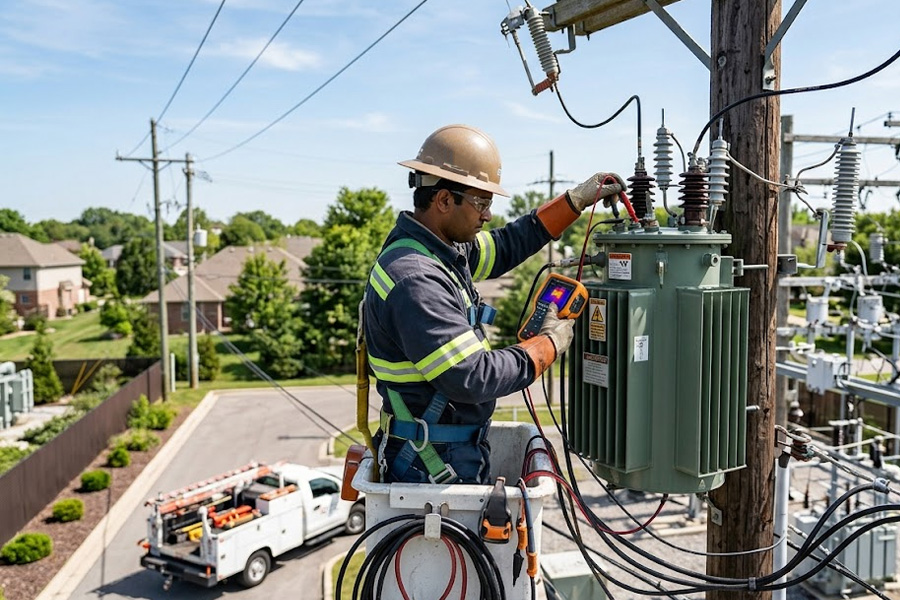
Engineering Deep Dive: Optimizing Distribution Transformer Efficiency and Reliability
Distribution transformers are a critical part of modern electrical power systems. They play a vital role in reducing voltage levels and delivering safe, usable electricity to commercial, industrial, and residential consumers. As electricity demand continues to grow, improving transformer efficiency and reliability has become increasingly important for reducing energy losses, controlling operating costs, and maintaining uninterrupted power supply.
At Expert Engineers, we understand the importance of dependable transformer performance. Proper transformer selection, installation, monitoring, and maintenance can significantly improve operational efficiency while extending equipment life.
Understanding Distribution Transformer Efficiency
Transformer efficiency refers to how effectively a transformer transfers electrical energy from the primary side to the secondary side while minimizing losses.
The two major types of transformer losses are:
-
Core or No-Load Losses: These occur continuously when the transformer is energized, regardless of the load.
-
Copper or Load Losses: These are caused by the resistance of transformer windings and increase as the load increases.
Choosing a transformer designed for the actual operating conditions is one of the first steps toward achieving higher efficiency.
Key Ways to Improve Transformer Efficiency
1. Select the Right Transformer Rating
A transformer should be appropriately sized according to the expected electrical load. An oversized transformer may operate inefficiently at low loads, while an undersized transformer can experience excessive loading, increased losses, and overheating.
Accurate load assessment helps achieve an appropriate balance between capacity, efficiency, and future expansion requirements.
2. Minimize Electrical Losses
High-quality transformer construction and suitable materials can help reduce energy losses. Efficient magnetic core materials, optimized winding designs, and appropriate conductor selection contribute to improved transformer performance.
Reducing losses not only improves efficiency but can also lower the overall operating cost throughout the transformer's service life.
3. Maintain Proper Loading Conditions
Operating a transformer consistently beyond its recommended capacity can increase winding temperature and accelerate insulation deterioration.
Regularly monitoring transformer loading helps identify overload conditions and allows operators to redistribute loads or take corrective measures before performance is affected.
4. Control Operating Temperature
Temperature has a direct impact on transformer insulation life and reliability. Excessive heat can accelerate insulation aging and increase the risk of premature failure.
Proper ventilation, cooling systems, clean surroundings, and regular inspection of cooling equipment are essential for maintaining suitable operating temperatures.
Improving Distribution Transformer Reliability
Efficiency and reliability go hand in hand. A transformer that operates efficiently but is poorly maintained may still experience unexpected failures.
Regular Preventive Maintenance
A structured preventive maintenance program should include inspection and testing of critical components such as:
-
Transformer oil and insulation condition
-
Bushings and terminals
-
Connections and cable terminations
-
Cooling arrangements
-
Earthing systems
-
Protective devices
-
Temperature indicators
-
Oil leakage and physical condition
Identifying small problems early can prevent costly breakdowns and extended downtime.
Transformer Oil Management
For oil-filled distribution transformers, the condition of insulating oil is an important indicator of transformer health.
Periodic testing can help identify issues related to moisture, contamination, dielectric strength, and insulation deterioration. Maintaining oil quality helps preserve insulation performance and improve transformer reliability.
Monitor Temperature and Load
Continuous or periodic monitoring of temperature and electrical load provides valuable information about transformer operating conditions.
Sudden changes in temperature, load, or other operating parameters can indicate developing problems. Early detection allows maintenance teams to investigate the issue before it results in serious equipment damage.
Importance of Proper Installation
Even a high-quality transformer can experience performance problems if it is improperly installed.
During installation, attention should be given to:
-
Correct electrical connections
-
Proper earthing
-
Adequate ventilation
-
Suitable foundation and mounting
-
Cable arrangement
-
Protection systems
-
Environmental conditions
-
Accessibility for inspection and maintenance
Following recommended installation practices helps ensure that the transformer operates safely and efficiently throughout its service life.
The Role of Preventive Maintenance in Transformer Life
Unexpected transformer failures can result in production losses, equipment damage, maintenance expenses, and power interruptions. Preventive maintenance helps reduce these risks.
A well-planned maintenance strategy should combine routine inspections, electrical testing, condition monitoring, and timely corrective action.
Instead of waiting for a transformer to fail, condition-based maintenance allows potential problems to be identified and addressed at an early stage.
Benefits of Optimizing Transformer Performance
Optimizing distribution transformer efficiency and reliability can provide several benefits:
-
Reduced electrical energy losses
-
Lower operating costs
-
Improved power-system reliability
-
Longer transformer service life
-
Reduced risk of unexpected failures
-
Better asset utilization
-
Improved safety
-
Reduced maintenance and replacement costs
These benefits make transformer optimization an important part of effective electrical infrastructure management.
Choosing the Right Transformer Partner
Transformer performance depends on more than just the equipment itself. Proper engineering, product selection, installation, testing, and after-sales support all contribute to long-term reliability.
Expert Engineers focuses on delivering reliable engineering solutions with attention to quality, performance, and customer requirements. By combining appropriate transformer selection with proper installation, monitoring, and maintenance practices, businesses can build a more efficient and dependable electrical distribution system.
Conclusion
Distribution transformers are essential assets in electrical power distribution, and optimizing their efficiency and reliability can have a significant impact on overall power-system performance.
From selecting the appropriate transformer capacity to controlling operating temperature, monitoring load conditions, maintaining insulation systems, and implementing preventive maintenance, every step contributes to better transformer performance.
With the right engineering approach and regular maintenance, organizations can reduce losses, improve reliability, extend transformer life, and achieve greater value from their electrical infrastructure.
Expert Engineers is committed to supporting customers with dependable engineering solutions designed around performance, reliability, and long-term operational requirements.
